Blog Details

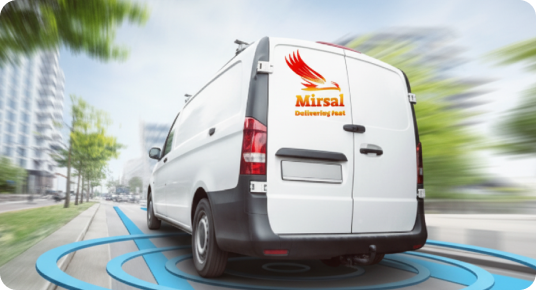
Real-Time Tracking Builds for Modern Logistics Startups
In today’s fast-paced world, logistics isn’t just about moving goods from point A to point B—it’s about doing it with speed, precision, and transparency. For modern logistics startups, staying competitive requires more than just a fleet of vehicles or a network of warehouses; it demands real-time tracking capabilities that can provide instant visibility into every package, vehicle, and delivery route.
Why Real-Time Tracking Matters
-
Enhanced Customer Experience
Customers expect instant updates. With real-time tracking, startups can provide delivery status, estimated arrival times, and even alerts for delays. This transparency builds trust and can be a major differentiator in a crowded market. -
Operational Efficiency
Tracking shipments and fleet movements in real-time allows operations teams to optimize routes, reduce idle time, and lower fuel costs. Startups can react quickly to disruptions, rerouting vehicles or reallocating resources as needed. -
Data-Driven Decisions
Real-time tracking generates a wealth of data, from delivery times to vehicle performance. Startups can leverage this data to predict demand, improve route planning, and enhance overall supply chain efficiency.
Key Components of Real-Time Tracking Systems
Building a robust tracking system requires careful consideration of several components:
-
IoT Devices & Sensors: GPS trackers, RFID tags, and temperature sensors provide accurate, real-time location and condition data for shipments.
-
Cloud-Based Platforms: Centralized platforms collect and process data, making it accessible to both internal teams and customers.
-
Mobile Integration: Mobile apps allow drivers to update status in real-time and enable customers to track their packages easily.
-
Analytics & AI: Advanced analytics can predict delays, optimize routes, and identify inefficiencies before they impact operations.
Challenges and Solutions
While the benefits are clear, implementing real-time tracking isn’t without challenges:
-
Connectivity Issues: Remote areas may have poor network coverage. Solution: hybrid solutions combining GPS, cellular, and satellite tracking.
-
Data Overload: Too much information can overwhelm teams. Solution: smart dashboards with actionable insights, not just raw data.
-
Integration with Legacy Systems: Many logistics operations still rely on older software. Solution: API-based solutions that connect new tracking systems with existing tools.
How Startups Can Approach Real-Time Tracking
-
Start Small, Scale Fast: Begin with a pilot for a single region or a limited fleet to test systems and gather insights.
-
Focus on User Experience: Both customers and internal teams should find the system intuitive and responsive.
-
Leverage Partnerships: IoT device providers, cloud platforms, and analytics solutions can accelerate implementation.
-
Iterate Continuously: Real-time tracking technology evolves quickly. Regular updates and enhancements keep your startup ahead of the curve.
Conclusion
For modern logistics startups, real-time tracking isn’t just a luxury—it’s a necessity. By embracing tracking technologies, startups can improve operational efficiency, enhance customer satisfaction, and make smarter, data-driven decisions. In a market where speed and transparency can make or break a brand, investing in real-time tracking is an investment in growth, reliability, and long-term success.
Latest news & blog
View All
الشركات الناشئة بحاجة إلى شركاء لوجستيين موثوقين

مستقبل التوصيل للميل الأخير في
بناء التتبع في الوقت الفعلي لـ

مستقبل التوصيل للميل الأخير في عصر التجارة الإلكترونية

لماذا تحتاج الشركات الناشئة إلى خدمات لوجستية موثوقة للتوسع السريع
التتبع في الوقت الفعلي يُنشئ سلاسل توريد أكثر ذكاءً

مستقبل التوصيل للميل الأخير في المدن الذكية