Blog Details

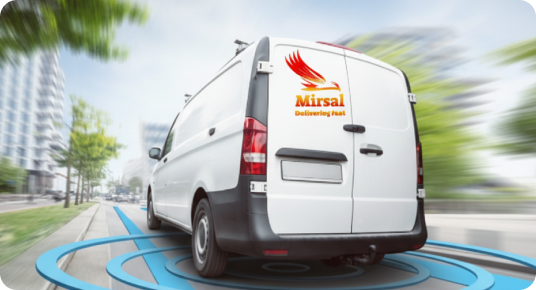
Real-Time Tracking Builds for
In today’s fast-paced, data-driven world, real-time tracking has moved from being a “nice-to-have” feature to an absolute necessity. Whether it’s logistics fleets, manufacturing lines, construction projects, or software deployments, the ability to monitor builds and progress as they happen can redefine how organizations operate, collaborate, and deliver results.
Let’s explore what real-time tracking builds are, why they matter, and how businesses can leverage them for smarter, faster decision-making.
🔍 What Is Real-Time Tracking?
Real-time tracking refers to the continuous monitoring of assets, processes, or builds — with updates that reflect the current state instantly. Instead of waiting for reports or periodic updates, stakeholders get live visibility into what’s happening right now.
In the context of tracking builds, this could mean:
Monitoring the status of CI/CD pipelines in software development.
Tracking the progress of construction or manufacturing builds.
Watching fleet locations and delivery statuses update dynamically.
In short, it’s about turning data into live insight.
⚙️ The Core Benefits of Real-Time Tracking Builds
1. Transparency Across Teams
When everyone — from developers to project managers to customers — can see live progress, communication gaps disappear. This transparency helps align goals, manage expectations, and reduce miscommunication.
2. Faster Issue Detection
If something breaks or stalls during a build, real-time alerts allow teams to respond immediately. No more waiting for a report or a daily update to find out something went wrong.
3. Optimized Resource Management
Real-time tracking helps identify bottlenecks and inefficiencies. With live dashboards, managers can reallocate resources where they’re needed most — minimizing downtime and improving output.
4. Enhanced Customer Experience
Clients love visibility. Real-time build tracking gives customers confidence that their project or delivery is progressing as promised. This transparency builds trust and long-term loyalty.
🧠 Technology Behind Real-Time Tracking
Real-time tracking builds rely on a mix of IoT, cloud computing, APIs, and data visualization tools. Common components include:
Sensors & GPS: Capture live data from physical assets or locations.
APIs & Webhooks: Connect systems to exchange live updates automatically.
Cloud Platforms: Enable scalable data processing and instant access.
Dashboards & Analytics: Turn raw data into meaningful insights.
In software environments, tools like Jenkins, GitHub Actions, or GitLab CI/CD can provide real-time feedback on build and deployment pipelines. In logistics, solutions like AWS IoT, Google Maps APIs, or custom telematics systems keep everything synchronized.
🔧 Building Your Own Real-Time Tracking System
If you’re considering implementing a real-time tracking build system, here’s a simple roadmap:
Define what needs tracking — Is it software builds, vehicles, or equipment usage?
Choose your data sources — Sensors, APIs, or event streams.
Select a communication layer — MQTT, WebSockets, or REST APIs for data transmission.
Visualize the data — Use dashboards like Grafana, Power BI, or custom web UIs.
Automate alerts — Set thresholds to trigger notifications or auto-remediation.
🌍 Real-Time Tracking in Action
Logistics: Delivery companies use live tracking to provide minute-by-minute updates to customers.
Construction: Project managers view progress across multiple sites with GPS and sensor data.
Manufacturing: Real-time tracking helps identify machine downtime instantly.
Software Development: Developers track every commit and deployment status in real time.
Across industries, the result is the same — fewer delays, better collaboration, and smarter decision-making.
🚀 The Future: Predictive Tracking
The next evolution of real-time tracking is predictive intelligence. By combining real-time data with machine learning, organizations will not only react to current conditions but also anticipate future ones. For example:
Predicting build failures before they happen.
Forecasting delivery times based on live traffic and weather data.
Suggesting resource reallocations dynamically.
💡 Final Thoughts
Real-time tracking builds are reshaping industries by connecting people, processes, and data like never before. Whether you’re optimizing a software pipeline or managing a global fleet, visibility is power — and in the age of real-time operations, that power is live.
Latest news & blog
View All
Startups Need Reliable Logistics Partners

The Future of Last-Mile Delivery in the

The Future of Last-Mile Delivery in the E-Commerce Era

Why Startups Need Reliable Logistics to Scale Fast
Real-Time Tracking Builds for Smarter Supply Chains

The Future of Last-Mile Delivery in Smart Cities
Real-Time Tracking Builds for Modern Logistics Startups