Blog Details

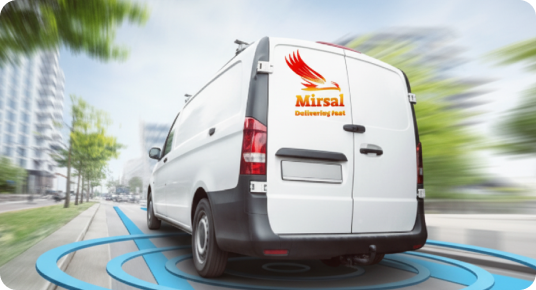
Real-Time Tracking Builds for Smarter Supply Chains
In today’s hyper-competitive marketplace, efficiency and responsiveness are no longer optional—they are essential. Supply chains are the lifelines of modern businesses, and companies that fail to monitor, adapt, and optimize their operations in real time risk falling behind. This is where real-time tracking builds come into play, transforming traditional supply chains into intelligent, responsive networks.
What is Real-Time Tracking in Supply Chains?
Real-time tracking refers to the continuous monitoring of goods, shipments, inventory, and logistics processes using connected technologies. By leveraging IoT sensors, GPS devices, RFID tags, and cloud-based platforms, businesses gain instantaneous visibility into every node of the supply chain.
This level of transparency allows organizations to anticipate disruptions, optimize routes, reduce waste, and ultimately, deliver superior service to customers.
Benefits of Real-Time Tracking
-
Enhanced Visibility
Knowing exactly where each shipment or product is at any moment reduces uncertainty and enables proactive decision-making. Whether it’s tracking perishable goods or high-value electronics, real-time insights prevent costly delays. -
Improved Efficiency
Real-time data allows companies to streamline operations by dynamically adjusting routes, managing inventory levels, and automating replenishment processes. This reduces bottlenecks and operational costs. -
Risk Mitigation
Supply chains are vulnerable to disruptions like weather events, customs delays, or equipment failures. Real-time tracking enables rapid responses, minimizing downtime and losses. -
Data-Driven Decisions
Continuous tracking generates a wealth of data that can be analyzed to uncover patterns, optimize supply chain strategies, and predict future demand. Businesses can move from reactive problem-solving to proactive planning. -
Customer Satisfaction
In the age of instant gratification, customers expect transparency and timely delivery. Real-time tracking allows companies to provide accurate delivery estimates, shipment notifications, and even proactive alerts in case of delays.
Building a Smarter Supply Chain
Implementing real-time tracking requires more than simply installing sensors or GPS devices. Companies need an integrated ecosystem that connects hardware, software, and analytics:
-
IoT and Sensor Deployment: Attach sensors to shipments, pallets, and vehicles to monitor location, temperature, humidity, and other critical parameters.
-
Cloud Integration: Centralize data from multiple sources to ensure stakeholders have a unified view of operations.
-
AI and Analytics: Use predictive analytics to anticipate disruptions, optimize inventory, and make smarter routing decisions.
-
Mobile Access: Ensure that teams can access real-time insights from anywhere, facilitating quick decision-making on the go.
The Future of Supply Chains
As technology continues to evolve, the role of real-time tracking in supply chain management will only grow. Advanced AI algorithms, blockchain-enabled transparency, and autonomous vehicles are set to redefine the landscape. Companies that embrace these innovations will not only achieve operational efficiency but also gain a competitive advantage in customer satisfaction and market agility.
Latest news & blog
View All
Startups Need Reliable Logistics Partners

The Future of Last-Mile Delivery in the
Real-Time Tracking Builds for

The Future of Last-Mile Delivery in the E-Commerce Era

Why Startups Need Reliable Logistics to Scale Fast

The Future of Last-Mile Delivery in Smart Cities
Real-Time Tracking Builds for Modern Logistics Startups