Blog Details


The Future of Last-Mile Delivery in the E-Commerce Era
In the rapidly evolving world of e-commerce, one phrase has become increasingly crucial to business success: last-mile delivery. This final leg of the delivery journey — from the distribution center to the customer’s doorstep — is now a critical competitive differentiator. As consumers demand faster, cheaper, and more sustainable deliveries, companies are reimagining how this last mile is executed.
So, what does the future hold for last-mile delivery in the e-commerce era? Let’s explore the emerging trends, technologies, and challenges shaping the road ahead.
1. The Rise of On-Demand and Same-Day Delivery
The Amazon Effect has redefined consumer expectations. Shoppers today expect their orders to arrive the same day — or even within hours. Retailers are responding by expanding micro-fulfillment centers and leveraging AI-driven route optimization to reduce delivery times.
Companies like Walmart, Target, and Shopify-powered merchants are adopting hyperlocal delivery models, partnering with gig-economy platforms to ensure flexible and rapid fulfillment. In the near future, we can expect same-day delivery to become the standard rather than a luxury.
2. Autonomous and Drone Deliveries
Automation is poised to revolutionize last-mile logistics. Autonomous vehicles and delivery drones are no longer futuristic concepts — they’re in pilot stages around the world.
-
Drones can bypass traffic and deliver small parcels in minutes, ideal for urban and rural settings alike.
-
Autonomous robots (like those from Starship Technologies or Amazon Scout) are being deployed on sidewalks and campuses for short-distance deliveries.
Regulatory and safety challenges remain, but the potential cost savings and speed gains make automation a key part of the future delivery ecosystem.
3. Sustainability Takes the Wheel
With growing environmental awareness, consumers and companies are demanding greener logistics. The future of last-mile delivery is not only fast but also sustainable.
Expect to see:
-
Electric delivery vehicles (EVs) replacing diesel fleets.
-
Carbon-neutral shipping options becoming standard at checkout.
-
Bike couriers and e-scooter deliveries gaining traction in dense cities.
Retailers that integrate sustainability into their delivery strategies will not only reduce emissions but also strengthen brand loyalty among eco-conscious customers.
4. The Smart Data Revolution
Data is the backbone of efficient delivery. Advanced analytics, machine learning, and real-time tracking systems allow logistics providers to predict demand, prevent delays, and improve transparency.
Customers now expect live updates on their order’s journey, from warehouse to doorstep. As IoT-enabled sensors and AI-powered predictive tools become more common, last-mile delivery will become smarter, more adaptive, and more customer-centric.
5. The Human Touch Still Matters
Even as technology takes center stage, the human element remains vital. Couriers are often the only face a brand has in the real world. A positive delivery experience — friendly, reliable, and communicative — can turn a one-time buyer into a loyal customer.
In the future, expect companies to invest not just in technology but also in training and empowering delivery personnel, ensuring that innovation doesn’t come at the cost of human connection.
6. The Hybrid Model: Warehouses Meet Retail Stores
As the line between online and offline retail continues to blur, omnichannel fulfillment is emerging as a dominant model. Retail stores are doubling as mini-warehouses, allowing for quicker dispatch and local pickup.
This hybrid approach — combining brick-and-mortar infrastructure with digital logistics — is transforming how retailers think about proximity, inventory, and convenience.
Conclusion: The Road Ahead
The future of last-mile delivery in the e-commerce era is defined by speed, sustainability, and smart technology. From drones and data to EVs and local fulfillment, innovation is reshaping how goods move across the final stretch.
Latest news & blog
View All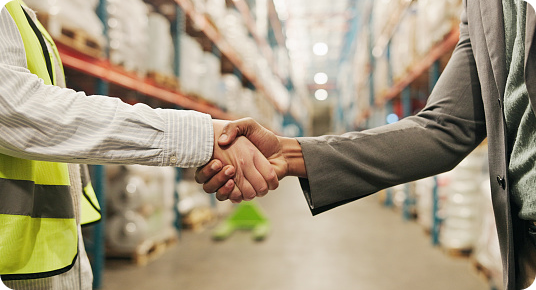
Startups Need Reliable Logistics Partners

The Future of Last-Mile Delivery in the
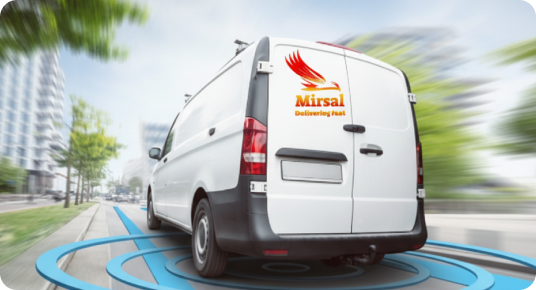
Real-Time Tracking Builds for
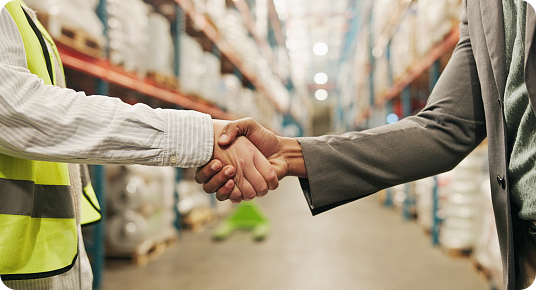
Why Startups Need Reliable Logistics to Scale Fast
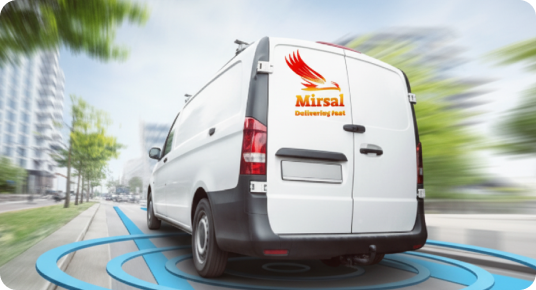
Real-Time Tracking Builds for Smarter Supply Chains

The Future of Last-Mile Delivery in Smart Cities
Real-Time Tracking Builds for Modern Logistics Startups