Blog Details


The Future of Last-Mile Delivery in a Hyperconnected World
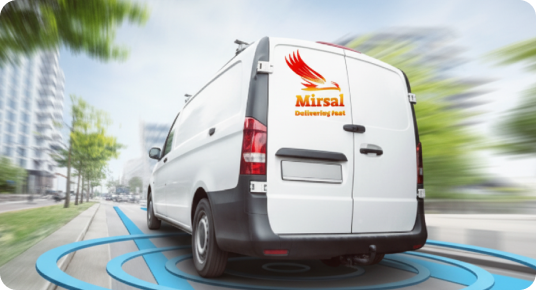
In today’s fast-paced digital era, last-mile delivery—the final leg of the supply chain that gets products from a distribution hub to the consumer’s doorstep—has become both the most critical and the most challenging part of logistics. As e-commerce booms and consumer expectations for speed and convenience skyrocket, the last mile is evolving into a battleground for innovation, efficiency, and sustainability. In a hyperconnected world, technology is not just an enabler—it is a game-changer.
The Hyperconnected World: What It Means for Delivery
A hyperconnected world is defined by the seamless integration of devices, data, and networks. Smartphones, IoT devices, autonomous vehicles, and AI systems continuously communicate, providing real-time insights that were unimaginable a decade ago. For logistics, this connectivity offers unprecedented opportunities:
Real-time tracking: Consumers now expect to know the exact location of their parcels at any moment. IoT-enabled sensors and GPS tracking systems make this possible, enhancing transparency and trust.
Dynamic routing: AI and machine learning analyze traffic patterns, weather, and delivery volumes to optimize routes on the fly, reducing delivery times and costs.
Predictive analytics: Companies can forecast demand more accurately and position inventory closer to high-demand areas, minimizing delays.
Emerging Technologies Shaping the Last Mile
Autonomous Vehicles and Drones
Self-driving delivery vans and drones promise to revolutionize urban logistics by reducing labor costs and speeding up delivery. While regulatory hurdles remain, pilot programs around the world are already proving the potential of autonomous last-mile solutions.Smart Lockers and Pickup Hubs
Not every delivery requires a doorstep drop-off. Smart lockers placed in high-traffic areas allow consumers to pick up parcels at their convenience, reducing failed deliveries and congestion in urban areas.Robotics and AI in Warehousing
Automated warehouses and AI-driven sorting systems ensure packages are dispatched faster and more accurately, directly impacting last-mile efficiency.Sustainable Delivery Solutions
Electric vehicles, cargo bikes, and green logistics strategies are becoming central as companies aim to reduce carbon footprints while meeting delivery demands.
Challenges Ahead
Despite technological advancements, the last mile faces significant challenges:
Urban congestion: Densely populated areas create logistical nightmares that even autonomous systems struggle to overcome.
Cost pressures: Last-mile delivery accounts for up to 53% of total shipping costs in some sectors. Balancing speed and affordability is crucial.
Consumer expectations: The demand for same-day or even two-hour delivery continues to rise, putting pressure on logistics providers.
Regulatory hurdles: Drone flights, autonomous vehicles, and data privacy all require careful navigation of evolving legal frameworks.
The Human Element
Technology is transforming the last mile, but humans remain central. Couriers, customer service teams, and local operators are still essential in managing exceptions, providing customer interactions, and ensuring reliability. The future of delivery is not just automated—it’s augmented, where human expertise and AI capabilities complement each other.
Looking Ahead: A Connected, Efficient, and Sustainable Last Mile
In a hyperconnected world, last-mile delivery is set to become faster, smarter, and more sustainable. Companies that embrace innovation while keeping customer experience at the forefront will lead the way. From predictive analytics to autonomous vehicles, the integration of technology will not just enhance logistics—it will redefine how we receive goods, making delivery an invisible, seamless, and even enjoyable part of modern life.
Latest news & blog
View All
Startups Need Reliable Logistics Partners

The Future of Last-Mile Delivery in the
Real-Time Tracking Builds for

The Future of Last-Mile Delivery in the E-Commerce Era
Why Startups Need Reliable Logistics to Scale Fast
Real-Time Tracking Builds for Smarter Supply Chains

The Future of Last-Mile Delivery in Smart Cities